
Colby J. Moores, MA, LMHCA
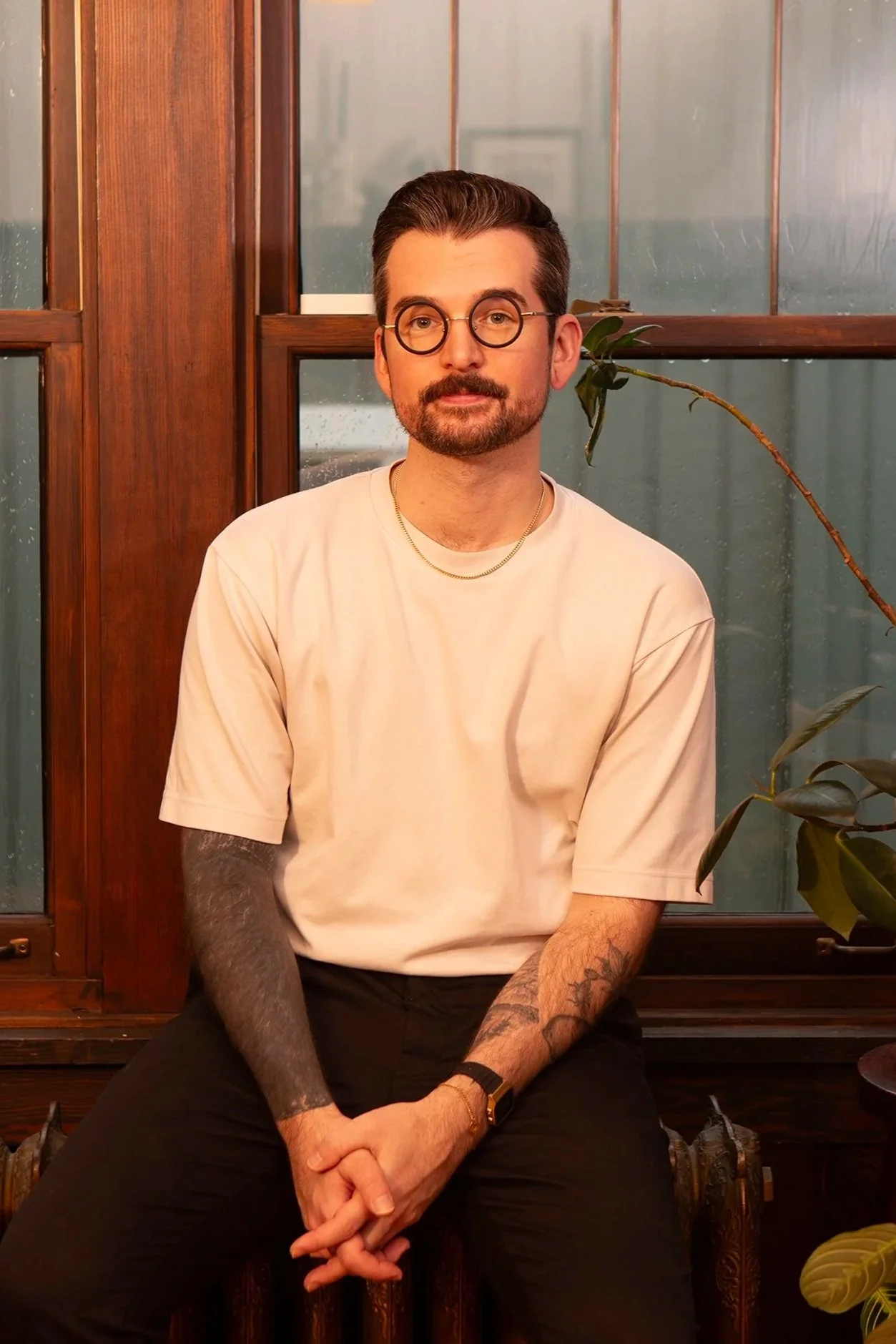
Psychotherapist
(He/Him)
My approach to therapy is person-centered, trauma-informed, and psychodynamic. My aim is to provide a safe, emotionally supportive, and reflective conversational environment, in which my clients are encouraged to examine patterns of thoughts and behavior, explore complex emotions with a person they can trust, and ultimately free themselves from unwanted experiences to become more effective in life.
I apply my experience in mental health counseling and my knowledge of the psychological-behavioral sciences to assess my clients needs and collaboratively develop an approach to therapy that is unique to them. I’ve covered a range of concerns with clients in the past, and have found that there is no one-size-fits-all approach to psychotherapy and healing. I maintain a commitment to curiosity, sensitivity, and willingness to learn when it comes to understanding and serving the clients I work with.
I have a master’s degree in existential-phenomenological psychology from Seattle University. I have a bachelor’s degree in psychology and philosophy from Seattle University. I love reading and learning, talking to my pets, and exploring the world.
Areas of Focus
Aging
Anxiety
Caregiving
Chronic Pain/Illness
Depression
Emotional Regulation / Nervous System Support
Grief & Loss
Identity
Intuition & Discernment
LGBTQ Identity
Men’s Issues
Neurodivergence
Parenting
Perinatal Mental Health / Postpartum
Psychotic Disorders
PTSD / C-PTSD
Relationships & Attachment
Religious Trauma
Self Esteem
Spirituality
Stress
Transitions
Trauma & Abuse
Veterans
Vitality / Aliveness
Fees
$140/60-minutes. Individuals (18+) and couples
I provide opportunities for sliding-scale fees upon request.
Insurance
I am in network with:
Lifewise
Premera
Location
My practice is based in person in the Eastlake neighborhood of Seattle WA and virtually.
Scheduling Information
To inquire about scheduling a session with me please email, call, or text 206-845-0377.
“To reach an understanding in a dialogue is not merely a matter of putting oneself forward and asserting one’s point of view, but being transformed into a communion in which we do not remain what we were.”